
Industrial Asset Tracking Tags To Make Your Operation More Efficient
Get Your Tags With:
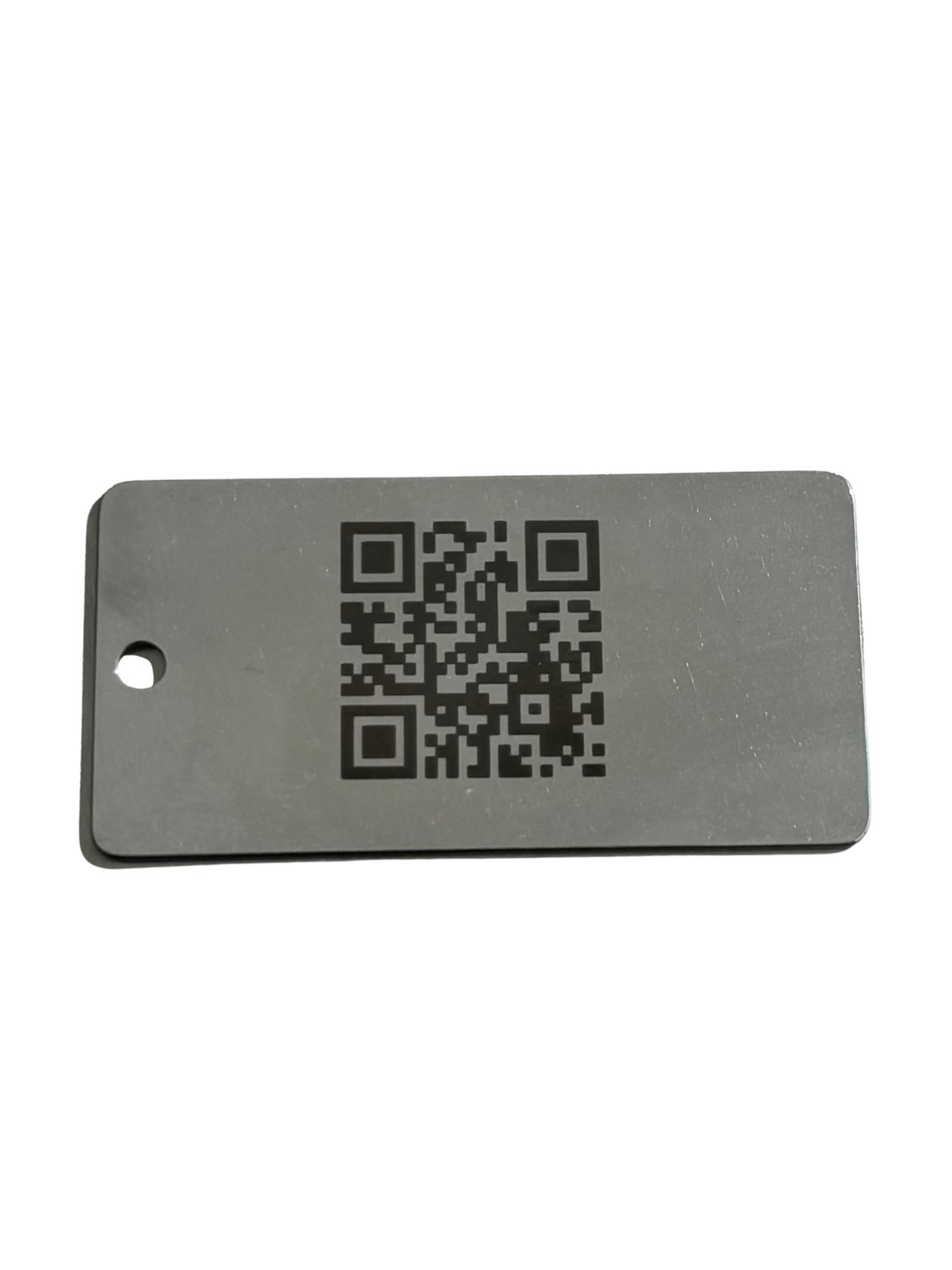
Types of Tags
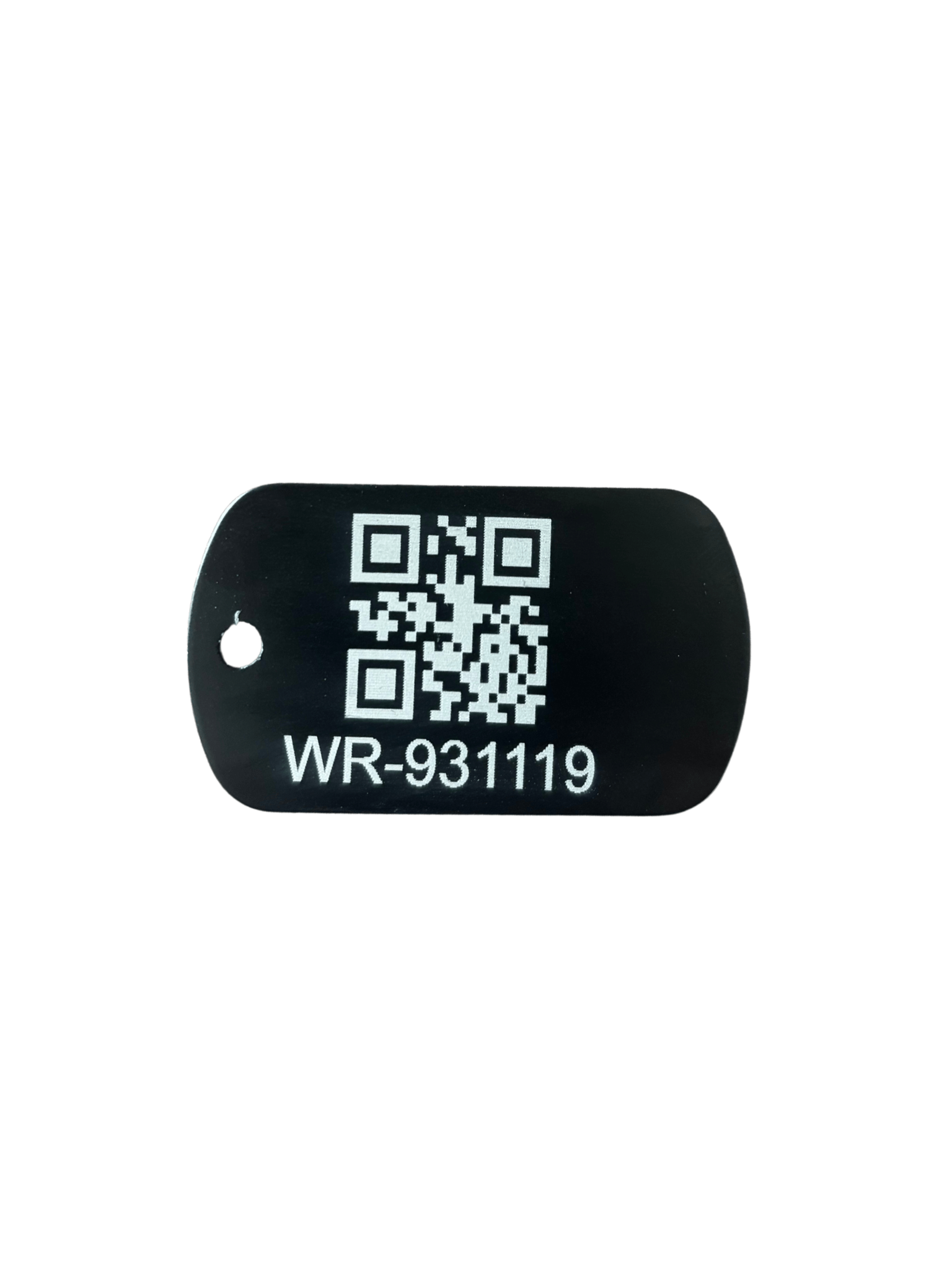
Aluminum
Clean, lightweight, and versatile, anodized aluminum tags are perfect for everyday labeling with a polished, professional look.
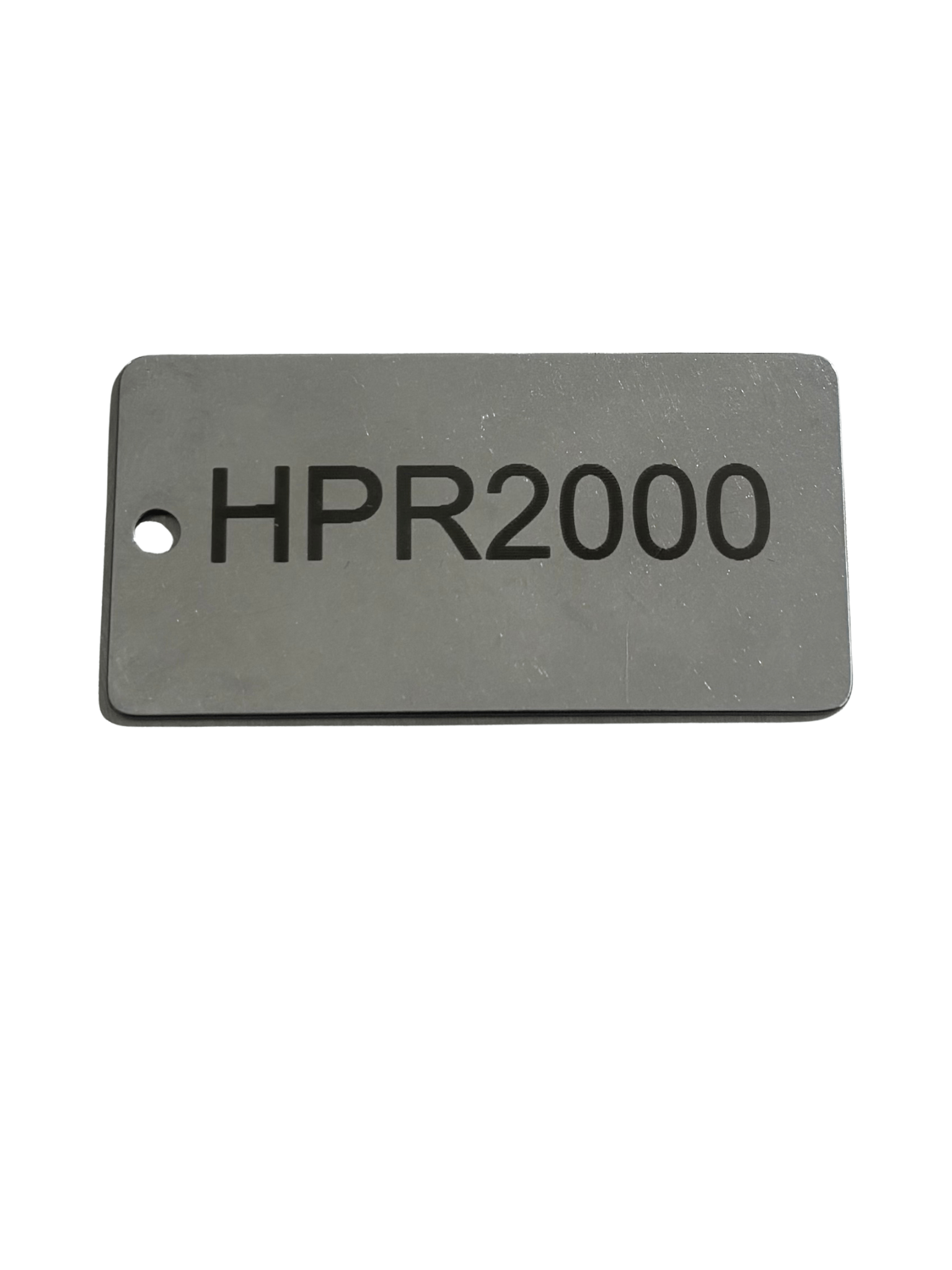
Stainless Steel
Built to last in the toughest conditions, stainless steel tags resist saltwater, chemicals, and wear, providing durable and reliable identification for years.
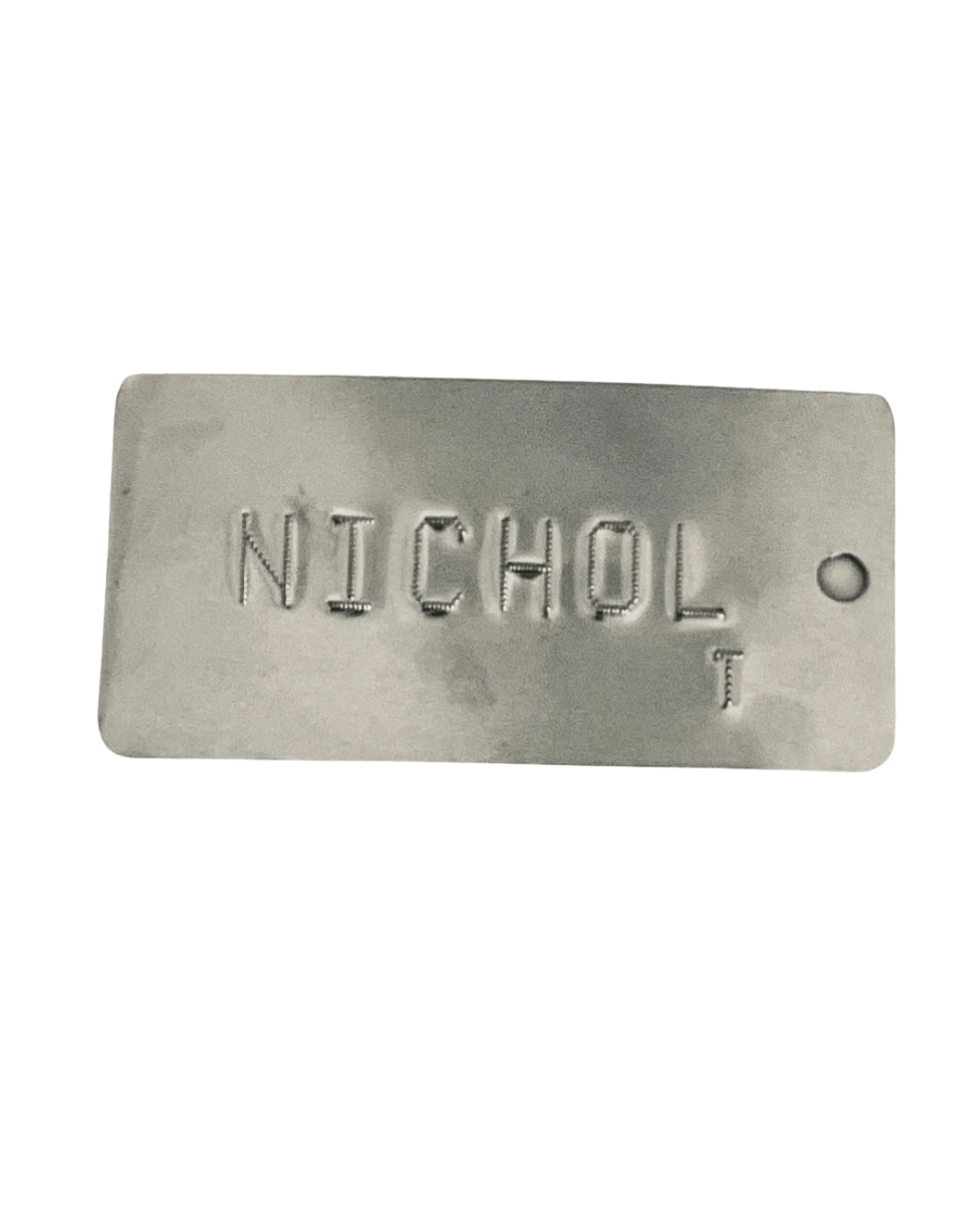
Embossed Steel Tags
Rugged and reliable, embossed steel tags offer a classic look with durable, raised markings that stay clear and readable for years.
Tags That Transform Your Business
In today’s fast-paced and competitive business environment, the efficient tracking of inventory and assets is crucial for organizations aiming to streamline their operations and increase profitability. Industrial asset tags have emerged as a transformative solution that significantly enhances how businesses manage their inventory and physical assets. These tags, often equipped with advanced tracking technologies such as RFID, barcodes, or QR codes, provide a systematic approach to asset management, making it easier for companies to keep track of their resources in real-time.
One of the primary benefits of industrial asset tags is their ability to improve accuracy in inventory management. Manual tracking methods are prone to human error, resulting in discrepancies that can have costly repercussions. By utilizing industrial asset tags, businesses can automate inventory counting and asset tracking processes. This technology enables staff to quickly scan assets at various points of the supply chain, reducing the time spent on audits and ensuring that inventory levels are always up-to-date. This real-time visibility minimizes stockouts and overstocking, ensuring that businesses can respond to customer demands without delay.
Additionally, industrial asset tags enhance accountability and security. Each asset can be uniquely identified and tracked, allowing organizations to monitor who accessed or moved items within their facilities. This is particularly valuable in sectors where the theft or loss of expensive equipment can significantly impact the bottom line. By employing a tagging system, businesses can quickly pinpoint missing items and take corrective action, thus minimizing losses.
Furthermore, the data collected through industrial asset tags can provide valuable insights into asset utilization and performance. By analyzing this data, managers can make informed decisions about maintenance schedules, inventory levels, and even future investments. For example, understanding which assets are underutilized can lead businesses to reallocate resources more effectively, leading to cost savings and improved efficiency.
Industrial asset tags also facilitate compliance with industry regulations. Many sectors require detailed tracking of assets for safety and reporting purposes. By automating this process through tagging, companies can easily generate reports that comply with regulatory standards, saving time and reducing the risk of non-compliance consequences.
In conclusion, the integration of industrial asset tags into business operations can profoundly transform how organizations track and manage their inventory and assets. By enhancing accuracy, increasing accountability, providing insightful data, and ensuring compliance, these tags empower businesses to operate more efficiently and effectively, ultimately leading to increased profitability and a stronger competitive edge in the marketplace.

Poor enterprise asset management can lead businesses to lose, on average, 11-15% of their annual revenue. (Source)
Looking to make your own tags? Check out our dot peen markers, laser markers and embossing machines.

